


Understanding the psychological triggers that drive gambling behavior in casinos
The Allure of Risk and Reward
The interplay between risk and reward is a fundamental aspect of gambling behavior. Casinos are designed to evoke excitement and anticipation, drawing players into a world where the potential for significant wins is ever-present. The thrill associated with risking money taps into basic human instincts, often heightening arousal and creating a compelling experience. This connection between risk and reward is a primary psychological trigger that keeps players engaged, especially when considering options like real money slots.
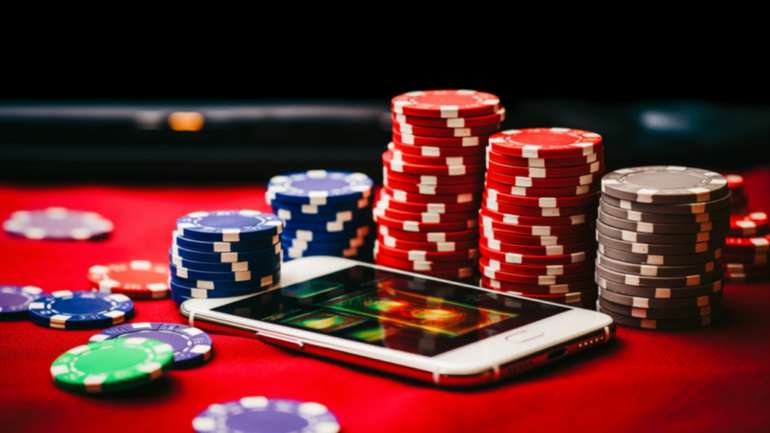
Moreover, the unpredictability of outcomes amplifies this allure. Players are often driven by the hope of winning, which activates the brain’s reward system, releasing dopamine and fostering a cycle of reinforcement. This chemical response not only enhances the gambling experience but also encourages repeated behavior, compelling individuals to return to the casino to chase that elusive win.
The Role of Environment and Design
The physical environment of a casino is meticulously crafted to enhance gambling behavior. From the vibrant colors to the sounds of spinning slots and clinking chips, every element is designed to create an immersive experience. This sensory overload serves to distract players from the passage of time and the financial implications of their bets, often leading to extended play sessions.
Lighting and layout also play significant roles in shaping behavior. Casinos often employ dim lighting and layout strategies that funnel players toward specific games, creating a sense of intimacy and urgency. This environment can foster an escapism that entices individuals to gamble longer and more frequently, making it a crucial element of casino psychology.
The Impact of Social Dynamics
Social interaction is another powerful psychological trigger in gambling. Many individuals are drawn to the communal aspects of casinos, where they can share experiences with friends or even strangers. This social environment can amplify excitement and competitiveness, encouraging players to place larger bets than they might typically consider.
Additionally, the presence of other gamblers can create a herd mentality, where individuals feel pressured to conform to group behavior. This dynamic often leads to riskier decisions, as the excitement of those around them can overshadow personal caution. The camaraderie found in shared wins and losses can create a compelling reason for individuals to engage in gambling, reinforcing the cycle of behavior.
The Influence of Personal Psychology
Individual psychological factors play a significant role in gambling behavior. Personal traits such as impulsivity, sensation-seeking, and even anxiety can influence one’s propensity to gamble. Those who are more impulsive may find it challenging to resist the immediate gratification of a gamble, while sensation-seekers may be drawn to the thrill of chance.
Understanding these personal triggers is essential for both players and casinos. For some individuals, gambling may serve as a coping mechanism for stress or emotional distress. This understanding can lead to interventions that promote responsible gambling and help individuals manage their behavior effectively.

Conclusion and Resources
As we navigate the complex landscape of gambling behavior, recognizing the psychological triggers at play is crucial. Awareness can empower individuals to make informed decisions about their gambling habits. For those who seek to understand more about their behavior or the broader implications of gambling, resources are available to foster a safer and more enjoyable experience.
This platform emphasizes user safety and offers guidance for anyone looking to explore their relationship with gambling. By providing essential security services and support, we aim to create a transparent and accessible environment that prioritizes the well-being of all users.